Total Solar Eclipse in Spain 2026
On Wednesday, 12 August 2026, Spain will become the global epicentre of astronomy — and for good reason. Our country will be one of the few places on Earth where a total solar eclipse can be experienced in broad daylight, a phenomenon that hasn’t occurred in the Iberian Peninsula since 1905. Without a doubt, this is a historic event expected to attract over one million visitors eager to witness this extraordinary spectacle.
What will happen on 12 August 2026?
This date marks the beginning of a rare astronomical sequence. Spain will host three major solar events in less than two years, starting with this total eclipse.
During totality, both Venus and Jupiter will shine brightly near the darkened sun. As the event coincides with the peak of the Perseid meteor shower (the “Tears of Saint Lawrence”), shooting stars may even be visible streaking across the darkened daytime sky.
You’ll also notice a sudden drop in temperature of around 3°C to 5°C, often accompanied by brief, unexpected breezes.
How does a total solar eclipse occur?
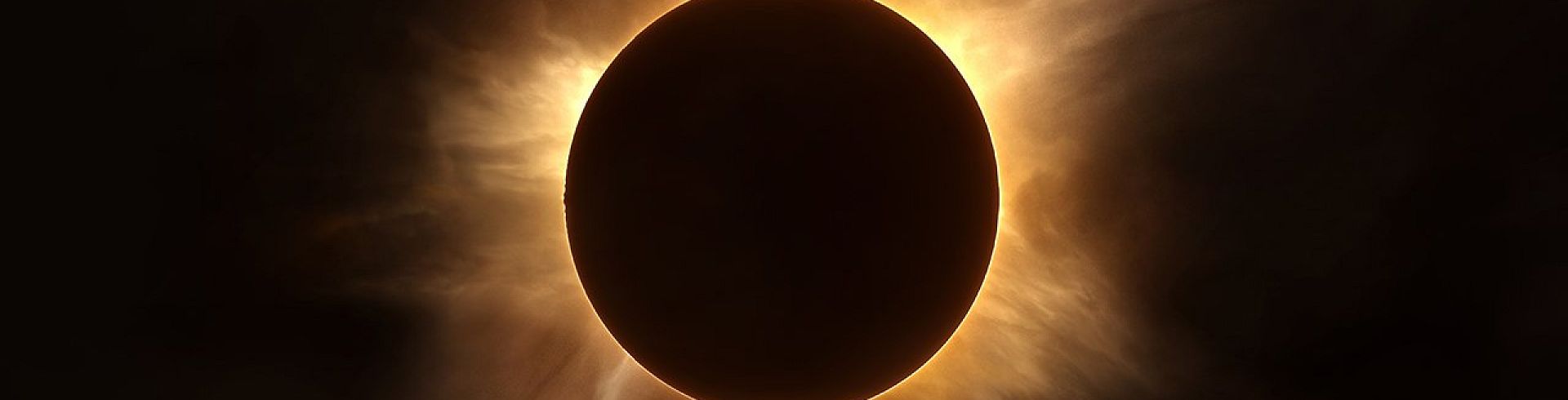
A total solar eclipse is the result of a remarkable cosmic coincidence: although the sun is around 400 times larger than the moon, it is also roughly 400 times farther away. From Earth, this makes them appear almost the same size.
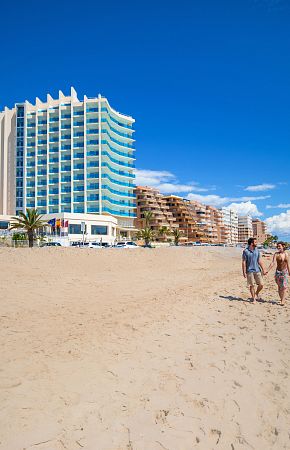
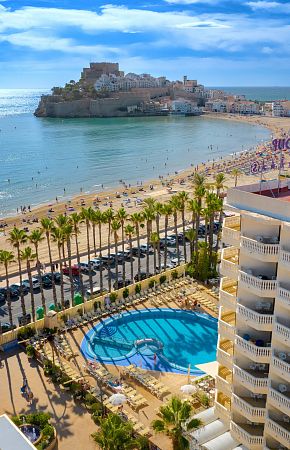
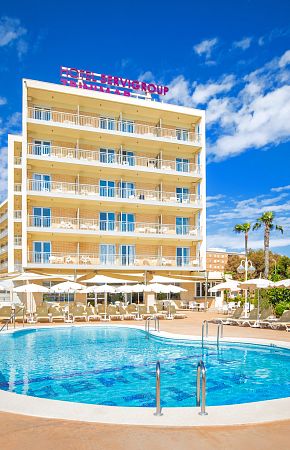
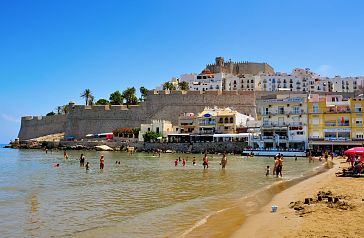
When the moon passes directly between the sun and our planet, it casts a shadow known as the umbra. Only those within this narrow path — such as guests staying in our hotels in Peñíscola, Alcocéber, Oropesa del Mar and Benicàssim — will experience the sun being completely obscured.
Key times for the 2026 eclipse
For those wanting to experience the highlight, the partial phase will begin in the evening at approximately 7:37pm, leading up to the main moment at 8:32pm, when the moon will fully cover the sun.
This will create a magical window of total darkness lasting 1 minute and 35 seconds — a rare opportunity to connect with the vastness of the universe from an exceptional setting such as the Castellón coastline.
Where will the eclipse be visible in Spain?
Although the path of totality will cross northern and central Spain, the province of Castellón stands out as a privileged viewing location, perfectly positioned within the heart of the shadow. This ensures a full 100% totality experience.
There is one important factor: as the eclipse occurs near sunset, the sun will sit very low in the sky (between 12° and 2° above the horizon). Coastal locations at sea level therefore offer ideal viewing conditions.
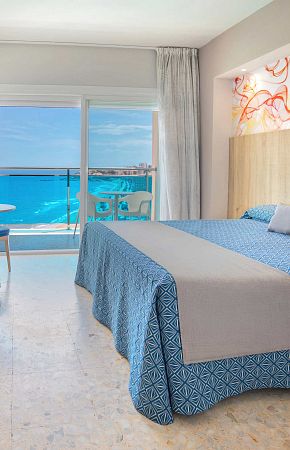
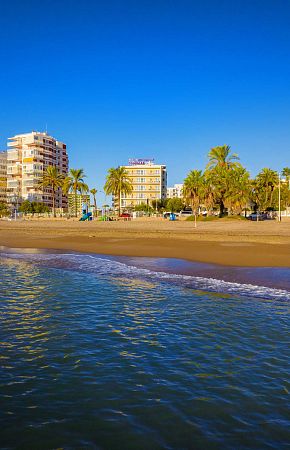
Our seafront hotels, with wide open spaces and unobstructed west-facing views, provide the perfect setting for this once-in-a-lifetime event.
From myth to modern technology
In the past, eclipses were seen as cosmic battles. In rural areas, people believed an invisible creature was devouring the sun, so they would bang pots and pans to scare it away. Churches would ring their bells loudly to warn of danger and help drive back the darkness.
In 2026, the noise will be replaced by silence, cameras and technology — but the sense of wonder will remain exactly the same.
This year, Spain will be Europe’s astronomical hotspot, offering a unique chance to capture the so-called “Black Sun”. Sync your devices and get ready to experience the eclipse from the comfort of our hotels.
Frequently Asked Questions
·Will it get dark? Yes. During totality (around 8:32pm), the sky will suddenly darken, stars will become visible, and temperatures will drop noticeably.
·Can I use regular sunglasses? Absolutely not. Standard sunglasses do not provide adequate protection. Only ISO 12312-2 certified eclipse glasses are safe.
·Why do times vary across regions? The moon’s shadow moves from west to east, so the eclipse will begin about 10–15 minutes earlier in Galicia than in the Balearic Islands.
·Can I take photos with my phone? Yes, but only with a proper solar filter. Pointing your camera at the sun without protection can damage the sensor.
·Is it safe for children? Yes, with strict adult supervision and proper eye protection. It’s a fantastic educational experience.
·Which hotels offer the best views? Hotel Servigroup Trinimar, Hotel Servigroup Romana, Hotel Servigroup Koral Beach and Hotel Servigroup Papa Luna.